
Death has visited me several times over the past year, and not just in the physical sense. There’s a saying I have that people will be familiar with … ‘People come, & people go…’ And lately this has been sadly true.
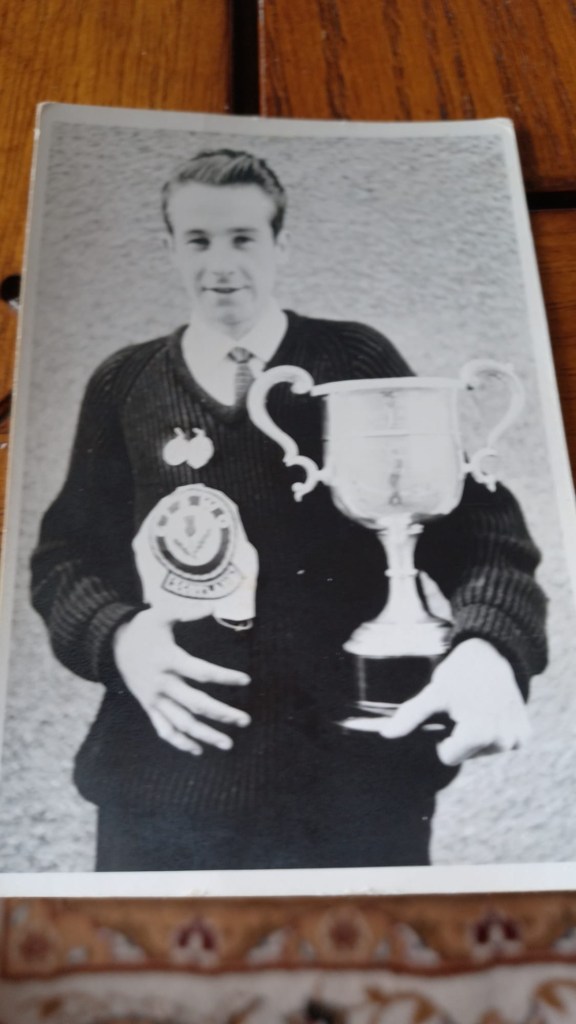
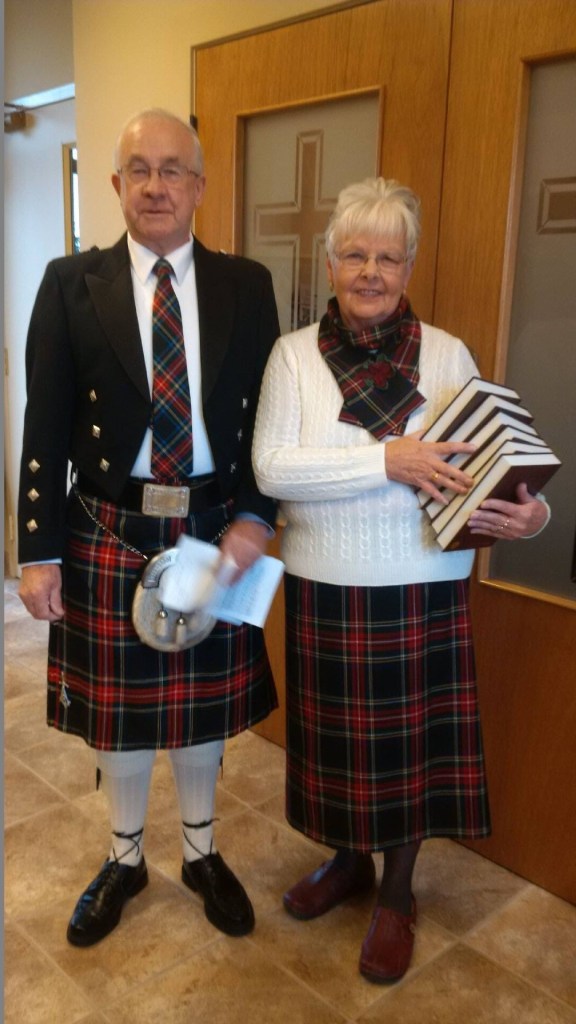
I lost two immense father figures – neither of them fathered me in the traditional way, but both meant the world to me in very different ways. My natural father died suddenly from a heart attack – he had made very good use of his quadruple bypass for many years. And my surrogate father, who lived in France with my ex-French teacher and surrogate mother, died after a long and arduous battle with Parkinson’s.
I couldn’t help but think it was too soon for both of them, but suddenly the realisation that time had raced on much further than I had thought, or noticed, punched me in the face which only added to the pain inflicted by the body blows from losing them both. None of us are getting any younger but somehow I just hadn’t realised.
Added to this the realisation that the pandemic meant I couldn’t get to either of them in time to say goodbye. And sometimes it’s important to say goodbye, isn’t it? Isn’t it important to tell someone what they meant to them? Isn’t it important that someone knows they were loved in life? Because isn’t that what it’s all about?
And the endings? Painful as they are, for the people left behind it’s where the grief really starts. For my surrogate father, who I missed by two hours as I flew to France, I didn’t get to say goodbye, but ended up picking out his coffin and the urn for his ashes, packing up his clothes, sorting through his paperwork. That’s where the grief starts for people. Getting the Death Certificate. Because for the people left behind, life has to go on. They have to spend their time proving that someone has died.
In both these instances, no conversations had been had about what death looked like. Everyone had to second guess what the arrangements might look like. As I wrote the eulogy for my surrogate father, I brought him back to life momentarily and it was heartbreaking. I watched my father’s service on Zoom. Equally as traumatic.
I stood in a room full of coffins – what lining would you like? – and the very real proposition of death handed me a hefty invoice and a cold hard reality check and scooted away laughing behind his hand.
And death isn’t always about losing breath. Sometimes people just choose to walk away and leave you, and that’s doubly hard because it means they don’t want you in your life and they’ve made a conscious decision to bury you. That’s been my year.
So, I’m trying to master the art of dying and I’m talking about it almost as much as the menopause. I’ve opted for a Pure Cremation with a cardboard box coffin, I’ll be picked up, taken to the crematorium, burned, and they will do whatever I ask them to with the ashes. I haven’t quite decided on that yet.
And as for the grief. I wish it was as easy and pure as that simple ending I’ve just described. Because grief is hard to acknowledge when you’re busy trying to live. And you can fight it and shut the door on it, but it will find a way to gnaw at your heart. With every fading memory that appears without warning, every familiar smell or song, with every strength of feeling in your heart.
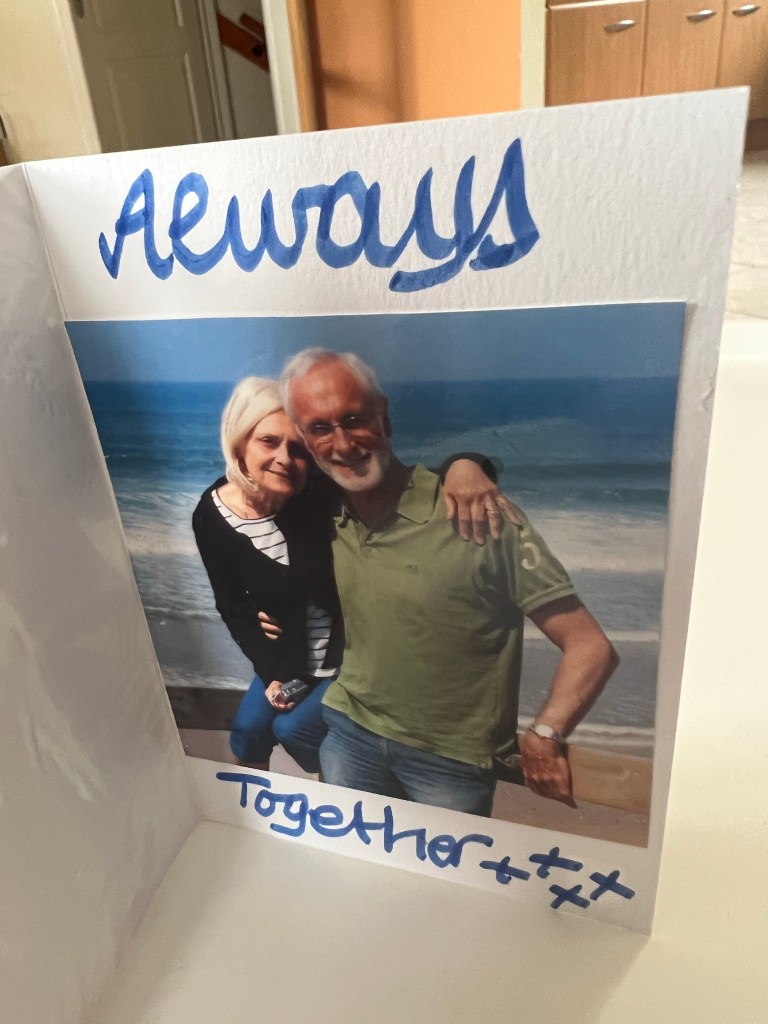
While you’re alive, have those conversations with your loved ones, ask them what they want, get their wishes down on paper, leave your documents complete with passwords and find the time to make that will. Also find the time to tell people you love them. Because that’s the thing about death – there’s no going back.
In short, put your affairs in order.
Don’t be afraid to feel sad. Grief will find you if you try to hide.
And live for today. Because tomorrow has no guarantees.

 Mags Winthrop Blog